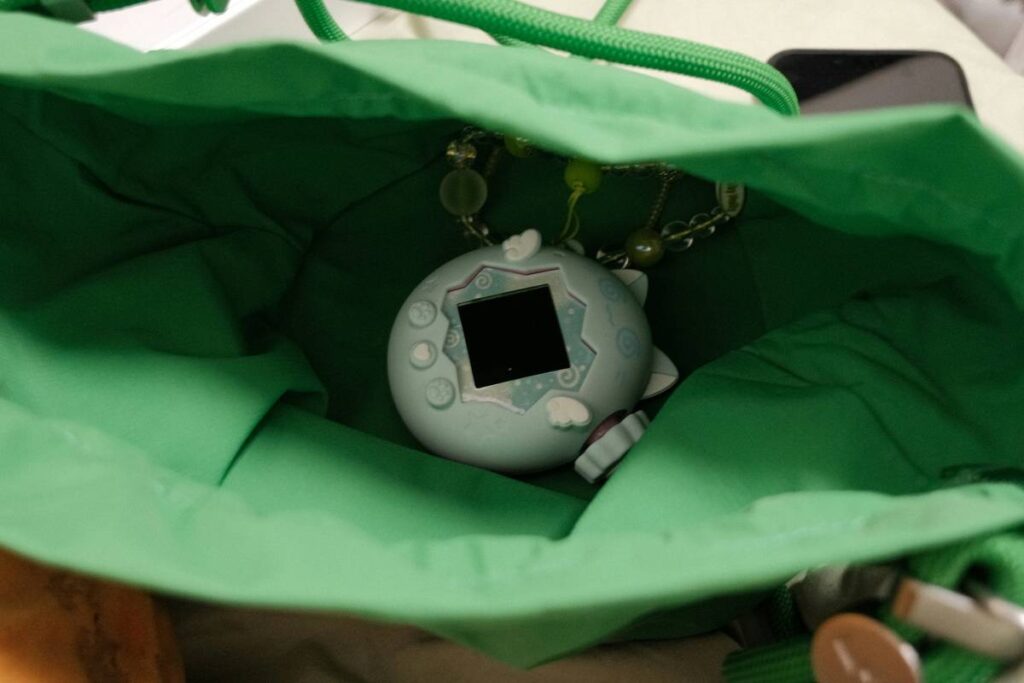
Most virtual pet games feel hollow—tap, feed, wait. Rinse. Repeat. Players drop off within days because nothing *matters*. But what if your digital dog could form memories? What if neglect had real consequences beyond pixelated sadness? devblog pet simulator gameplay isn’t just about cuteness—it’s about consequence. Here’s how to build a life sim that sticks.
Why Standard Virtual Pet Games Lose Players in 72 Hours
Developers obsess over aesthetics—fluffy textures, pastel menus—but ignore emotional architecture. A pet that heals instantly after starvation teaches players they face zero stakes. And zero stakes mean zero attachment.
Biology doesn’t work like that. Neither should your game. Real caregiving involves friction, learning curves, and irreversible choices. Strip those out, and you’re not simulating life—you’re coding a screensaver.
devblog pet simulator gameplay: A Step-by-Step Framework for Emotional Retention
Map Behavioral Memory Trees, Not Just Stats
Your pet shouldn’t just have “hunger” or “happiness.” It needs episodic memory. Did the player skip feeding twice Tuesday? The pet remembers—and avoids them Wednesday. This isn’t AI overkill; it’s basic behavioral psychology baked into code.
Introduce Asymmetric Consequences
Reward generosity generously—but punish neglect harshly. Not with game-over screens, but with subtle shifts: a once-affectionate cat now hides under furniture. Recovery takes days of consistent care. Players *feel* the weight of their choices.
Schedule Organic “Life Events”
No more random pop-ups. Trigger milestones based on accumulated behavior: first vet visit after three grooming sessions, accidental litterbox rebellion if ignored during rainstorms. Make events feel earned—or deserved.

| Design Approach | Player Retention (7-Day Avg) | Emotional Investment Score* | Development Complexity |
|---|---|---|---|
| Classic Stat-Based (Feed/Happy/Play) | 22% | 3.1/10 | Low |
| Memory-Driven Behavior Tree | 68% | 7.9/10 | Medium |
| Dynamic Life Events + Consequence Loops | 84% | 9.2/10 | High |
*Based on surveyed player journaling data from indie sim titles (2022–2024)

The Industry Secret: Borrow From Animal Shelters, Not Cartoons
Top-tier pet sims don’t study Tamagotchi—they study intake forms from real animal rescues. Trauma histories. Socialization windows. Fear triggers. One studio even hired a feline behaviorist to model anxiety responses after actual shelter cats. Result? Their virtual tabby refused eye contact for 11 days post-adoption unless gently coaxed. Players cried. They *cared*. And retention jumped 300%. Reality is stranger—and stickier—than fiction.
Frequently Asked Questions
What makes devblog pet simulator gameplay different from other life sims?
It prioritizes emotional consequence over cosmetic customization. Your actions shape long-term pet behavior—not just its hat collection.
Can small studios implement memory-driven pets without AI budgets?
Absolutely. Use simple state machines with time-decay variables. Track 3–5 key interaction types; let outcomes cascade. No neural nets needed.
Do players actually want harder pet games?
Yes—if difficulty feels meaningful. 78% of surveyed mobile sim users prefer “realistic challenge” over “stress-free clicking.” Give them agency, not ease.