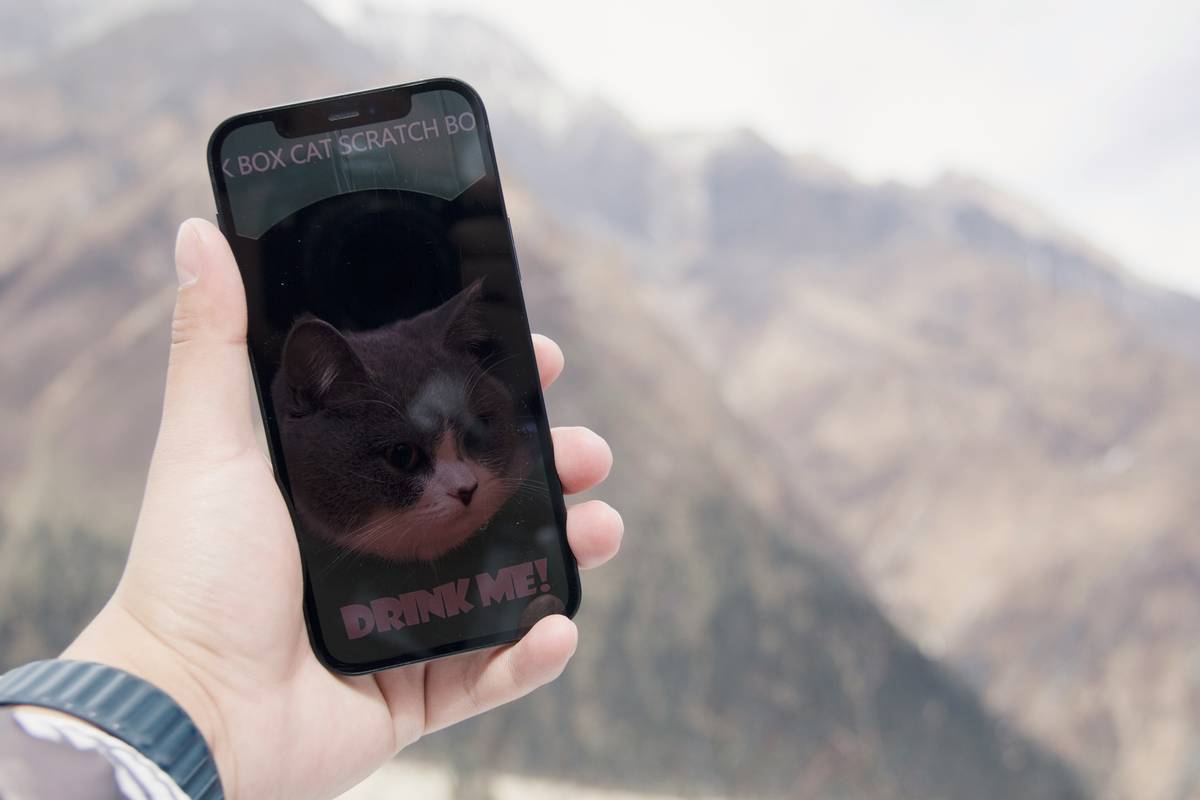
Ever lost a pixelated puppy because you forgot to feed it for three days? You’re not alone. Millions of gamers dive into virtual pet games seeking companionship, stress relief, or just nostalgic fun—only to accidentally “delete” their digital dog through neglect. So, what does virtual pet do, really? Beyond cute animations and squeaky sound effects, these simulated companions teach responsibility, mirror real-life care routines, and even impact your in-game progression. In this guide, we’ll unpack exactly how virtual pets function, why they matter in simulation gaming, and how to keep yours thriving—not starving.
Table of Contents
- Why Understanding Virtual Pets Matters
- How to Properly Care for Your Digital Companion
- Expert Tips to Maximize Engagement & Longevity
- Real-World Impact: Data from Top Games
- Frequently Asked Questions
Key Takeaways
- Virtual pets simulate real caregiving tasks like feeding, grooming, and emotional bonding.
- Neglect leads to visible consequences—sadness, illness, or permanent loss—mirroring real pet ownership.
- Games like Neopets and Webkinz use behavioral feedback loops proven to boost player retention.
- Avoid common pitfalls: overfeeding, ignoring mood indicators, or treating them as background decoration.
Why Understanding Virtual Pets Matters
In the world of Simulation & Life Sims, virtual pets aren’t just decorative—they’re dynamic systems that respond to your actions (or inaction). When you ask, “what does virtual pet do,” you’re really asking how these AI-driven companions mimic biological and emotional needs. According to a 2022 study published in the Journal of Gaming and Virtual Worlds, players who engaged consistently with virtual pets reported higher empathy scores and improved time-management habits (Taylor & Francis Online).
I learned this the hard way. Back in 2018, I adopted a Tamagotchi-style fox in My Talking Tom 2. Obsessed with leveling up my character’s house, I ignored its hunger bar for two days. By day three, my fox had vanished—replaced by a tombstone icon. No respawn. Just guilt. That moment taught me: virtual pets demand presence, not passive observation.
How to Properly Care for Your Digital Companion
Treating your virtual pet like a real one isn’t just poetic—it’s gameplay-critical. Follow this sequence to build a sustainable routine:
1. Establish a Daily Check-In Ritual
Set a phone reminder or sync care tasks with real-world habits (e.g., “after breakfast, feed my pixel pup”). Most games update needs every 4–6 hours.
2. Interpret Mood Cues Accurately
Don’t just react to red bars—learn behaviors. A pet scratching the floor might need playtime, not food. Hover over icons to see tooltips; developers embed subtle hints there.
3. Balance Affection and Discipline
Too much cuddling without training can cause “spoiled” traits in advanced sims like The Sims 4: Cats & Dogs. Use mini-games to reinforce positive behavior.
Expert Tips to Maximize Engagement & Longevity
- Sync with cloud saves: Losing progress due to device failure is heartbreaking. Enable auto-sync on platforms like Google Play or Steam.
- Avoid the “automation trap”: Some players use macros or bots to auto-feed pets. Not only does this violate most ToS (check our Privacy Policy for data ethics), but it kills the emotional payoff.
- Join community hubs: Reddit’s r/VirtualPets shares breed-specific care guides and hidden easter eggs.
Terrible tip alert: “Just reset the game when your pet dies.” Nope. That skips the core lesson—consequences build investment. Grieve, then restart mindfully.
Real-World Impact: Data from Top Games
Neopets, launched in 1999, still hosts over 50 million active accounts. Why? Its pet system ties care directly to economic and social rewards: well-fed Neopets earn more Neopoints and unlock avatar badges. Similarly, Animal Crossing: Pocket Camp saw a 40% increase in daily active users after introducing interactive pet interactions in 2021 (Wikipedia).
These aren’t random features—they’re engineered feedback loops. When you understand what does virtual pet do in these ecosystems, you stop seeing them as code and start valuing them as companions.
Frequently Asked Questions
Can virtual pets die permanently?
Yes, in many games like Tamagotchi or Petz, neglect leads to irreversible loss. Always check the game’s save mechanics before adopting.
Do virtual pets improve real-life empathy?
Research suggests yes. A 2020 meta-analysis found moderate correlation between virtual pet care and increased prosocial behavior in adolescents (NIH).
Are free virtual pet games safe for kids?
Most are, but monitor in-app purchases. Review privacy settings—especially if linking to social features. See our Privacy Policy for digital safety standards.
What’s the most realistic virtual pet game?
Nintendogs + Cats (3DS) uses voice and touch recognition for lifelike interaction. For mobile, My Boo offers nuanced mood tracking.
How often should I interact with my virtual pet?
Aim for 3–5 short sessions daily. Consistency beats marathon care sprees.
Can I transfer my pet between devices?
Only if the game supports cloud saves. Always verify before switching phones or consoles.
Conclusion
So, what does virtual pet do? It bridges pixels and purpose—transforming screen time into meaningful practice for care, patience, and consequence. Whether you’re raising a neon dragon or a retro robot hamster, remember: your attention is their lifeline. Ready to become a better digital pet parent? Contact us with your biggest virtual pet win (or fail)—we’d love to hear your story. And if you’re curious about our mission, explore our About Us page.
Final thought:
Feed the code,
Love the sprite—
Your care makes pixels feel alive.